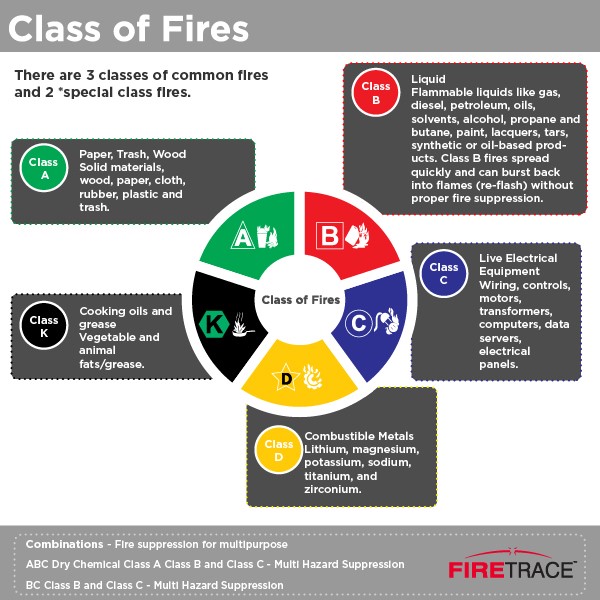
Class K fires are those that are fueled by flammable liquids unique to cooking such as cooking oils and greases that are vegetable and animal fat-based. A Class C fire is a fire that involves electrical equipment electrical appliances or electrical wiring.
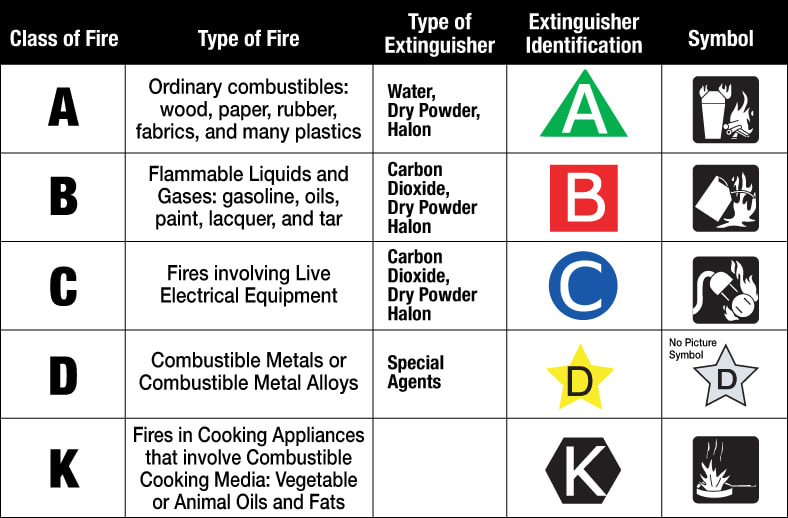
Fire Safety Mr Ferguson S Class Site
Class K fires are naturally of concern in the food service and restaurant industry.
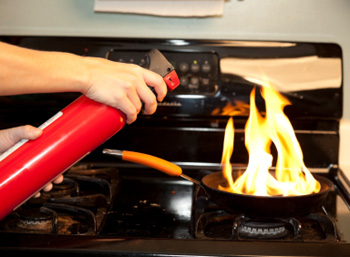
. Such as fats cooking oils grease etc. These variables organize fires into five fire classes. Class D a fire started by flammable metals such as sodium potassium and lithium.
WHAT ARE CLASS K FIRES. There are a lot of variables that determine how a fire starts grows and is put out. The Characteristic of Class K Fires.
Commercial buildings and restaurants built with kitchens should be alert to the possibility of Class K fires. Class K fires are fires in cooking appliances that involve combustible cooking media vegetable animal oils or fats. An extinguisher that is rated for use with multiple hazards should include a symbol for each.
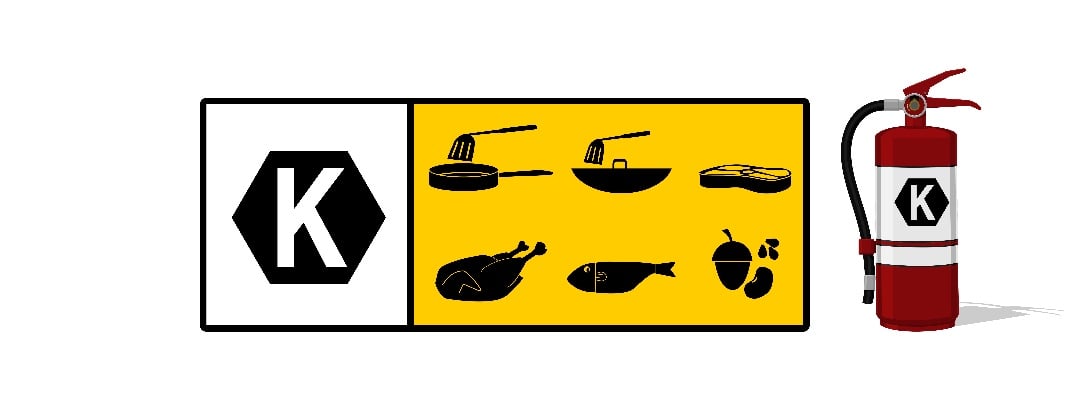
May cause fire spread or electrical shock. Class K Class K fires involve cooking oils and fats. Extinguishers with a K rating are designed to extinguish fires involving vegetable oils animal oils or fats utilized in commercial cooking appliances.
Technicians must know the location of all _____ in the facility. Class Kfires involving vegetable or animal cooking oils or fats. Class K What class of fire is Cooking media like vegetable oils and animal fat.
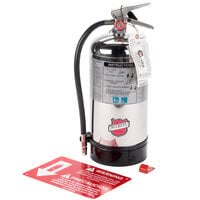
When these substances reach high temperatures as they naturally do in the kitchen a sudden and potentially volatile fire can easily ignite. The appropriate extinguishers used to tackle a Class E fire include CO2 or a dry powder extinguisher. A Class K fire extinguisher is used on fires involving cooking media fats grease and oils in commercial cooking sites such as restaurants.
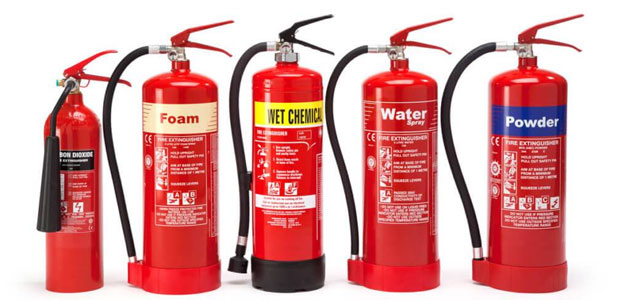
Common in commercial cooking operations using deep fat fryers Fire Extinguishers There are different types of fire extinguishers designed to put out the different classes of fire. Sometimes they are lumped in with Class B but they are their own beast. Class C a fire started by energized electrical equipment such as power transmission cables or wiring.
Fires in cooking appliances that involve combustible cooking media vegetable or animal oils and fats. Clearly the classification of a fire depends on what is burning. Class D Class D fires involve metals.
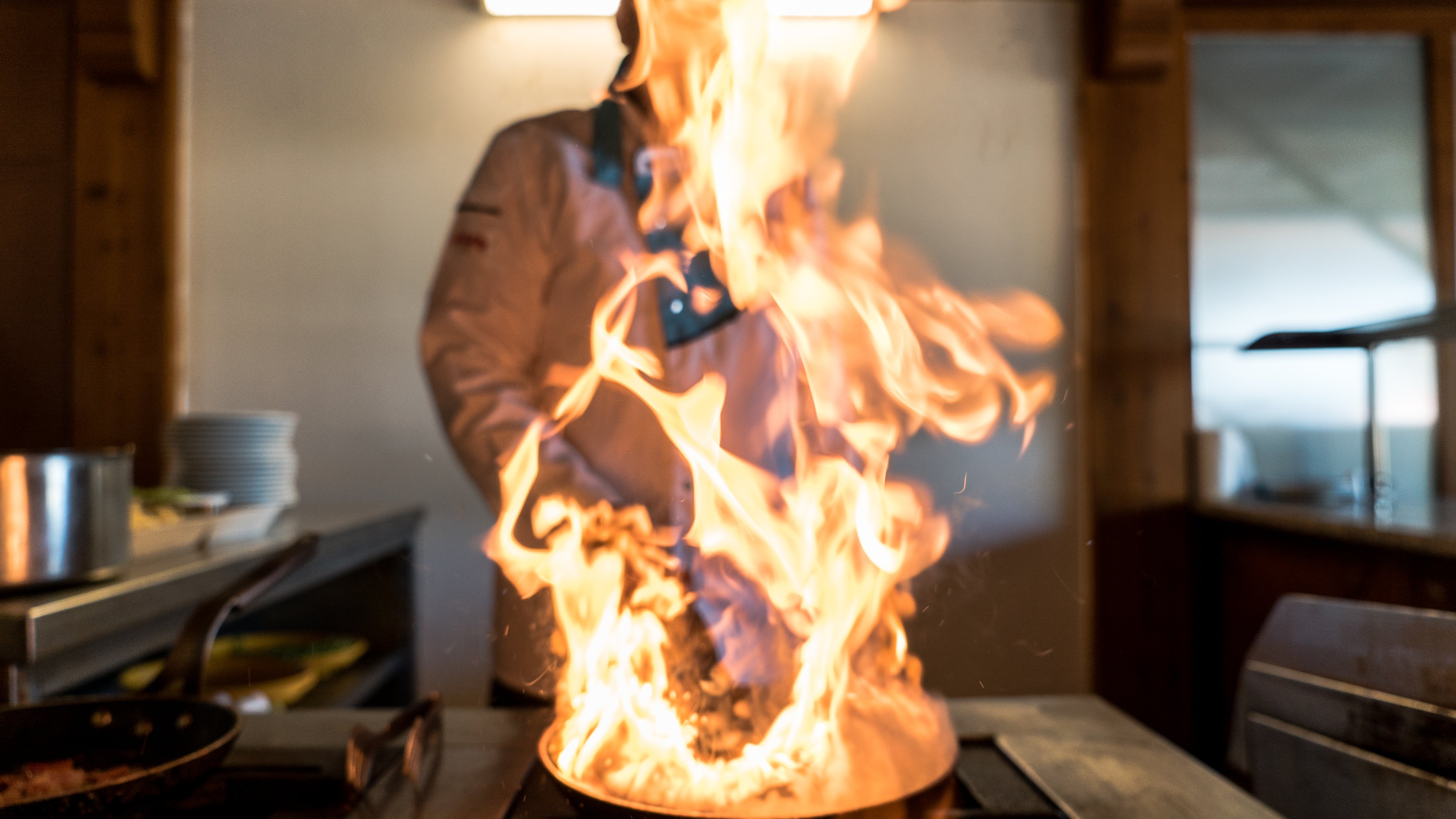
Residential homes should also be aware that a Class K fire can spark on the stovetop oven or grill especially if grease splatters. Class D fires rarely occur in the roofing industry. Those fires are classified as K fires which well cover below.
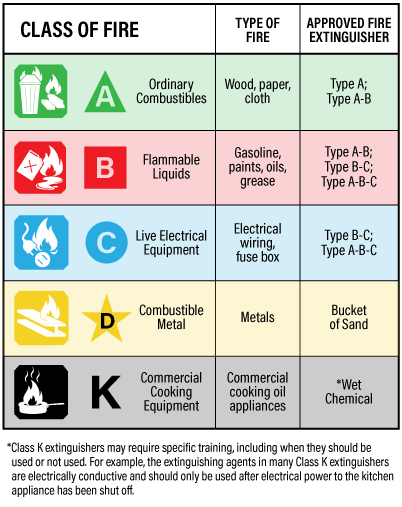
Picture 1 - Symbols used for classification of fire. SYMBOLS FOR FIRE CLASSES DESIGNATION. They are caused by energized electrical elements such as damaged power cors or overloaded electrical outlets.
Fires are also often fueled by flammable liquids Class B or involve energized electrical equipment Class C. Do not use on Class B or C fires. Less commonly theres Class K fires which involve cooking oils and greases and they necessitate special considerations.
In rare instances metal can ignite. Used in kitchens on grease fires. Class K a fire started by cooking oils animal fats or.
Fires involving cooking oils and fats are classified as Class F under the European and Australian systems and Class K under the American system. Greases cooking oils vegetable fat and animal fat are some common fuel sources. Class K fires have certain similarities to Class B fires those fueled by petroleum products due to the fact that they both involve flammable liquids.
Petroleum gasoline oil paint propane and butane fires all fall under this category. It is one of the five classes of fires along with A B D and K. Technically a type of liquid fire Class K fires are distinct enough to warrant their own classification.
A drawback for pure water fire extinguishers is that it is not suitable for use in freezing conditions since. Carbon dioxide to be used on chemical or electrical fires Type K. However its important to understand that Class B does not cover fires involving cooking oils or grease.
Dry chemical effective on all classes of fires Type BC. Cooking fires are fueled by a wide range of liquid cooking materials. What class of fire has Combustible metals mainly found in factories such as powdered aluminum and magnesium.
Cooking fires that spark from grease lard olive oil butter animal fats and vegetable fats are recognized as Class K fires. Fire extinguisher should be inspected at least once a. Class K fires grow at a rapid pace when liquids and material such as cooking oils cooking grease animal fats and vegetable fats serve as the fuel source.
With the high flash point of cooking oils and fats and the extremely high temperatures necessary to. Though such fires are technically a subclass of the flammable liquidgas class the special characteristics of these types of fires namely the higher flash point are considered important enough to recognize separately. Class K fires involve vegetable oils animal oils or fats in cooking appliances.
Certain fire classes use different fire extinguishers to extinguish. Class K Fires. Class F fires - Cooking oils.
This is primarily a problem in lab environments as well as certain production and other industrial processes. Class_____ fires include burning electrical devices motors and transformers. Aluminum magnesium beryllium and sodium.
Locations ABC fire extinguishers are located throughout the Medical Centers in corridors. In terms of household and workplace fires Class A B or C fires are relatively common. Pressurized water to be used on Class A fire only.
C _____ is not required to start a fire. Class F fires consist of cooking oils and fats that have been ignited. Water is the primary liquid used in these extinguishers although sometimes other additives are also included.
Class A Ordinary Combustibles Class B Flammable Liquids and Gasses Class C Electrical Class D Flammable Metals Class K Cooking Oils and Greases.

Fire Safety Airswift Safety Moment
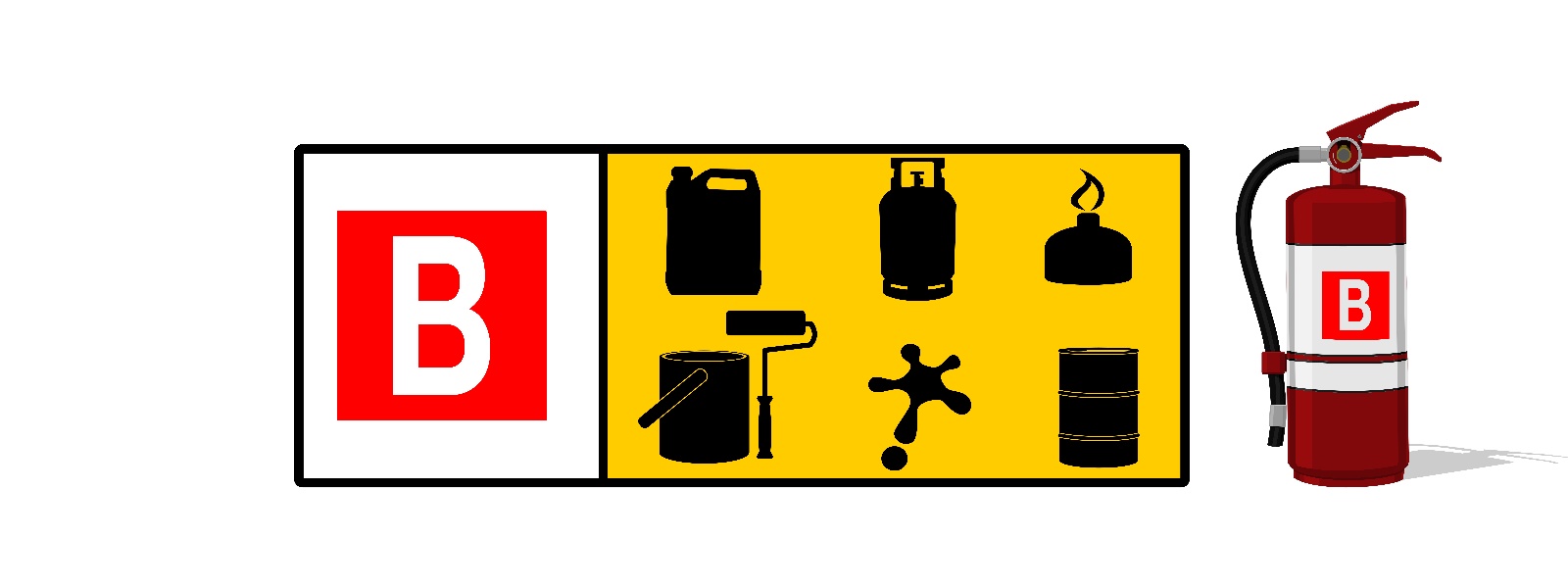
What Is A Class B Fire Extinguisher Used For
Kitchen Class K Fires How To Fight Them

Classification Of Fire And Hazard Types As Per Nfpa Enggcyclopedia
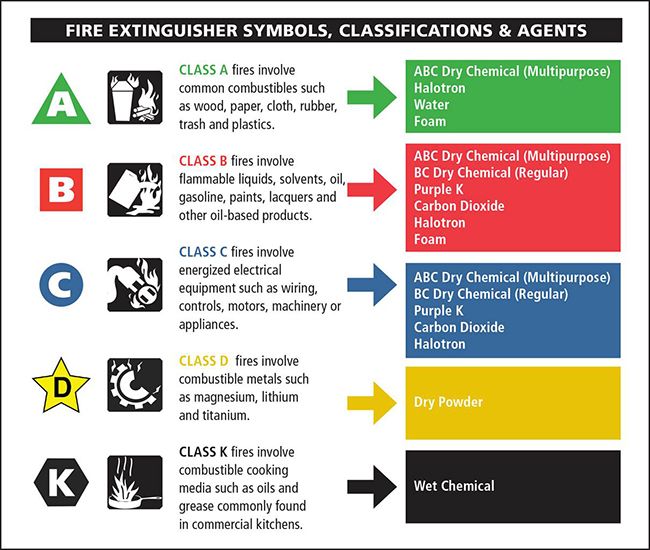
Types Of Fires Kidde Fire Safety
Class K Fire Extinguishers Low Price At Webstaurantstore

Classes Of Fire An In Depth Look At Fire Prevention
What Is A Class K Fire Extinguisher Used For
What Is A Class K Fire Extinguisher Used For

Find Out What The Symbols On Your Fire Extinguisher Actually Mean Foremost Promotions

The Types Of Fire Extinguishers Classifications Water Foam Co2

Product Detail

Portable Fire Extinguishers Fire Extinguisher Uses Fire Equipment

Find Out What The Symbols On Your Fire Extinguisher Actually Mean Foremost Promotions
Fire Extinguishers Portable Osh Answers
5 Classes Of Fire

Abcs Of Fire Extinguishers Fire Prevention Services The University Of Texas At Austin
The Abcs Ds And Ks Of Fire Extinguishers Occupational Health Safety

Fire Prevention Ppt Video Online Download
